Continuous Line Design of Serves: A Designer’s Real-World Review
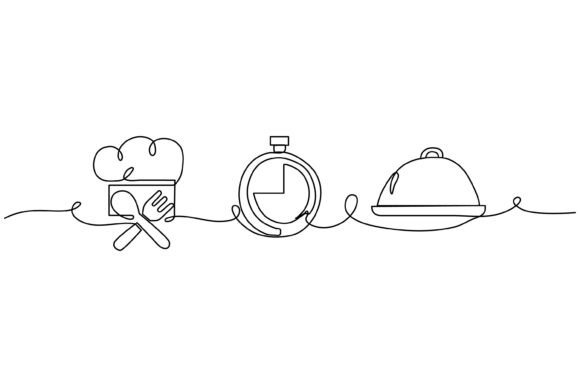
As someone who reviews and tests embroidery designs daily for client work and small shop use, I recently took a closer look at the Continuous Line Design of Serves. It’s a minimalist, single-line illustration that’s clean, modern, and versatile. At first glance, it feels like a design that could work across a range of products, from custom apparel to boutique-style gifts. But how does it really hold up when you start stitching it out?
First Impressions: Simple, But Not Basic
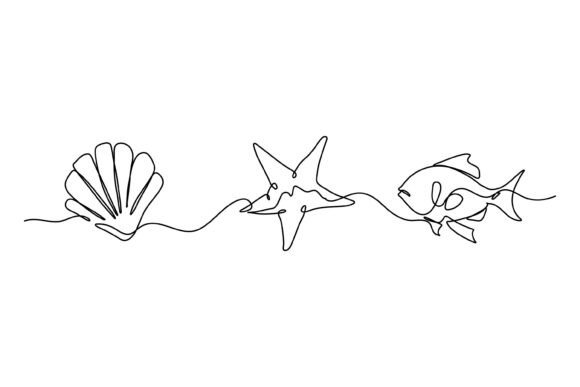
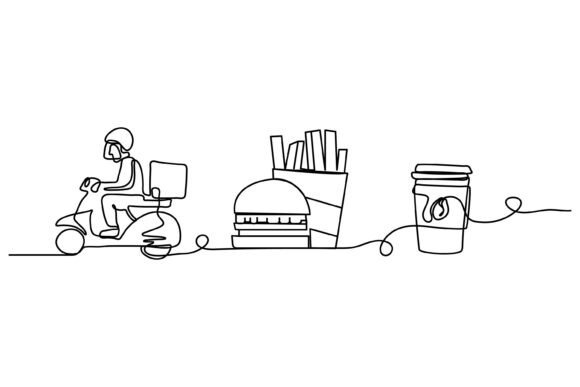
The Continuous Line Design of Serves has a hand-drawn aesthetic that feels intentional, not rushed. It’s a single continuous line that forms a food-related motif — likely a serving platter or utensil, depending on your interpretation. The design has a soft, approachable feel that leans toward casual, making it ideal for lifestyle and hospitality-themed projects.
It’s clearly aimed at illustrators and crafters who want a decorative element that doesn’t overpower a garment or product. The white-space layout makes it easy to imagine how it would translate to embroidered thread — minimal but expressive. I immediately thought of how this would look stitched onto a linen tote bag or a soft cotton sweatshirt.
Real-Life Use: Custom Tote Bags and Sweatshirts
I tested the design on a custom tote bag for a local café’s merchandise line. The Continuous Line Design of Serves stitched cleanly on medium-weight cotton canvas with a light thread color. The single-line nature meant fewer stops and starts, which is great for machine efficiency and thread conservation.
For a personal project, I also stitched it onto a charcoal gray sweatshirt. The contrast was strong and readable, and the design held up well after a light wash. There was no distortion or thread bunching, which can be a concern with thinner, more delicate lines. It’s a good fit for small to mid-sized hoop embroidery, especially if you’re aiming for a subtle, artistic touch.
Where It Shines: Baby Items, Patches, and Holiday Gifts
This design works especially well on baby clothes and nursery decor. I tried it on a 100% cotton onesie, and the softness of the line gave it a gentle, whimsical feel that’s perfect for baby showers or boutique-style babywear.
It also holds up nicely as an embroidered patch. When stitched on felt and backed with iron-on adhesive, the Continuous Line Design of Serves retained its clarity and charm. It would be a great addition to Etsy patch bundles or seasonal gift sets around holidays like Thanksgiving or Mother’s Day.
Careful Use: Know the Limits
Like any single-line design, the Continuous Line Design of Serves requires thoughtful placement. It doesn’t perform as well on stretchy knits unless you use proper stabilizer underneath. I noticed slight distortion on a ribbed baby blanket, so I’d recommend avoiding it for highly textured or elastic fabrics unless you test it first.
Dark fabrics also pose a challenge. The design is drawn on white, so if you’re stitching it on black or navy garments, you’ll need to either add a white underlay or test thread colors that will stand out clearly. I tried it in a bright red on a black tee — it worked, but only after adjusting the design slightly in my embroidery software to enhance contrast.
Design Impact: Visual Appeal and Branding
From a branding perspective, this design has potential for small businesses in the food or hospitality niche. It’s clean, recognizable, and not overused. Whether you’re creating custom aprons for a local bakery or personalized tea towels for a boutique, the Continuous Line Design of Serves adds a subtle professional touch.
For Etsy sellers and craft entrepreneurs, this design can help elevate your product presentation. It gives a handmade item a more curated, intentional feel — which can translate into better customer trust and repeat sales. Just be sure to include a mockup in your listing, especially if buyers aren’t familiar with how the design translates from digital file to embroidered reality.
Designer Notes: Practical Testing Tips
- Test on scrap fabric first, especially if you’re using stretchy or textured materials.
- Check thread color contrast before stitching on dark garments.
- Review stitch density to avoid breakage or distortion in thin lines.
- Confirm hoop size compatibility — this design works best in mid-range hoops.
- Inspect small details like corners and curves for thread pull or misalignment.
- Test in black and white mockups to see how it reads on different backgrounds.
- Use proper stabilizer for best results on soft or stretchy fabrics.
- Check licensing before selling finished items or including it in digital product bundles.
One thing I always do is preview the design in both light and dark fabric simulations. This helps me visualize how it will appear on different products and ensures I’m not surprised during stitching. I also recommend testing it in satin stitch and running stitch variations to see which gives the best clarity and texture for your project.
Final Thoughts: A Quietly Versatile Design
The Continuous Line Design of Serves isn’t flashy, but that’s exactly what makes it useful. It’s a quiet, elegant design that fits well into modern handmade shops, boutique branding, and personalized gifts. It may not grab attention with sparkle or density, but it tells a story with simplicity — and that’s rare in today’s crowded embroidery market.
If you’re an embroidery designer or small business owner looking for a subtle, meaningful design that stitches cleanly and looks intentional, this is one worth testing. Just be mindful of fabric choices and contrast, and it’ll serve you well across a range of real-world projects.